In Leeds, a conversation about returning: what “Kryptis - Lietuva” tells Lithuanians in the UK
The “Kryptis - Lietuva” (“Direction: Lithuania”) forum held in Leeds brought local Lithuanians together for a conversation about ties with Lithuania, identity and returning. The announcement mentions no decisions taken: it was a conversation and consultations. But the very fact that state representatives are coming to a regional English city to talk about returning says a lot about what is happening today between Lithuania and its diaspora.
What happened
The forum took place on the weekend before 21 October, when LRT reported on it, citing an announcement by the Ministry of Foreign Affairs (URM). The announcement did not give the exact date or the venue in Leeds.
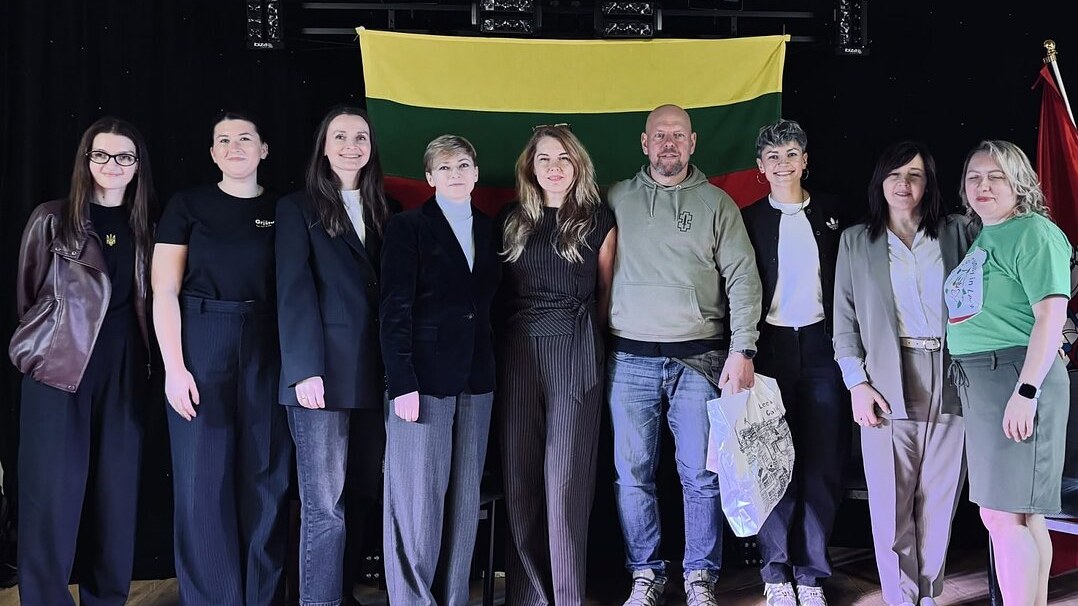
Participants were welcomed by Judita Juodgalvienė, deputy to the Ambassador at the Embassy of the Republic of Lithuania in the UK, and Karolina Borysaitė, representing the URM “Grįžtu LT” consultation centre. The discussion was moderated by Greta Stout, a member of the Leeds Lithuanian Community.
Sharing their experiences were:
- Gabrielius Liaudanskas-Svaras, performer and community activist;
- Simona Liaudanskienė, coach and ultramarathon runner;
- Eglė Skupienė, who has moved back from the UK to live in Lithuania;
- Jelena Masiukė, former chair of the Leeds Lithuanian Community, who has also returned to live in Lithuania.
The conversation covered life between two countries, preserving Lithuanian identity, civic engagement and community life, the reasons for returning, and how to keep ties with Lithuania while living abroad. After the discussion, participants could consult the “Grįžtu LT” representative individually: she presented state services for returnees and opportunities to live, work and study in Lithuania, and answered questions.
The Leeds Lithuanian Community, which is celebrating its 15th anniversary this year, also presented its theatre premiere at its anniversary evening: the play “Dvikalbystės stebuklai arba trispalviai cepelinai” (“The Miracles of Bilingualism, or Tricolour Cepelinai”), about bilingualism and life between two cultures.
What the announcement does not say
The announcement gives neither the number of participants nor any decisions taken or new commitments. Based on the announcement, it was a meeting at which state representatives provided information and people shared their stories.
Why this matters now
The state is actively inviting people to return. Until now the statistics have been favourable: in June, the URM, citing State Data Agency figures, reported that 19,310 Lithuanian citizens returned to Lithuania in 2025 and 9,940 left. It was the sixth year in a row in which more people returned than left.
But 2026 shows a turning point. According to preliminary data published by LRT on 14 October, this year the number of citizens who returned (more than 12,000) was only around 500 higher than the number who left, and in September more left than returned. The United Kingdom remains one of the three main emigration destinations, along with Norway and Germany. Against this background, regional forums such as this one in Leeds are not merely ceremonial events but part of a wider effort to maintain ties with the diaspora.
Returning is not just about economics. The forum’s themes (identity, language, community, life between two countries) show that the decision to return is usually not made on the basis of a single figure. It is healthy that both people who have returned to Lithuania and community members shared their experiences: returning should not be presented as the only right choice.
What we can tell Lithuanians in the UK
- The decision is yours. Neither returning nor staying is “right” or “wrong”. What matters is that the decision is made with accurate information.
- Information is available from the state. The URM “Grįžtu LT” consultation centre, working with Lithuania’s diplomatic missions, provides information about returning by phone, by email and through an online chat window; more at griztu.lt.
- Support measures are still only under consideration. The Family Package proposed by the government provides for support for families returning to live permanently in Lithuania, but the package has not yet been adopted. Until the laws are approved, do not rely on specific amounts when planning your decision.
- Community is a strength, wherever you are. The Leeds community’s 15 years of experience show that Lithuanian identity in England thrives where people come together: theatre, language, celebrations.
Londono Žinios will continue to follow how the migration data change and which support measures are adopted.
Based on information from LRT (21 October 2026, citing a URM announcement; 14 October 2026; 17 September 2026), URM data published by LRT English (BNS) on 3 June 2026, and URM information about “Grįžtu LT”.
Republication must credit Londonozinios.com as the source.
 Business
 Events
 Events
 Emigration